
Every founder hits moments where growth feels just out of reach. Not because the business isn't working — but because something invisible is in the way.
Here are three founders who found what was blocking them and learned how to move forward.

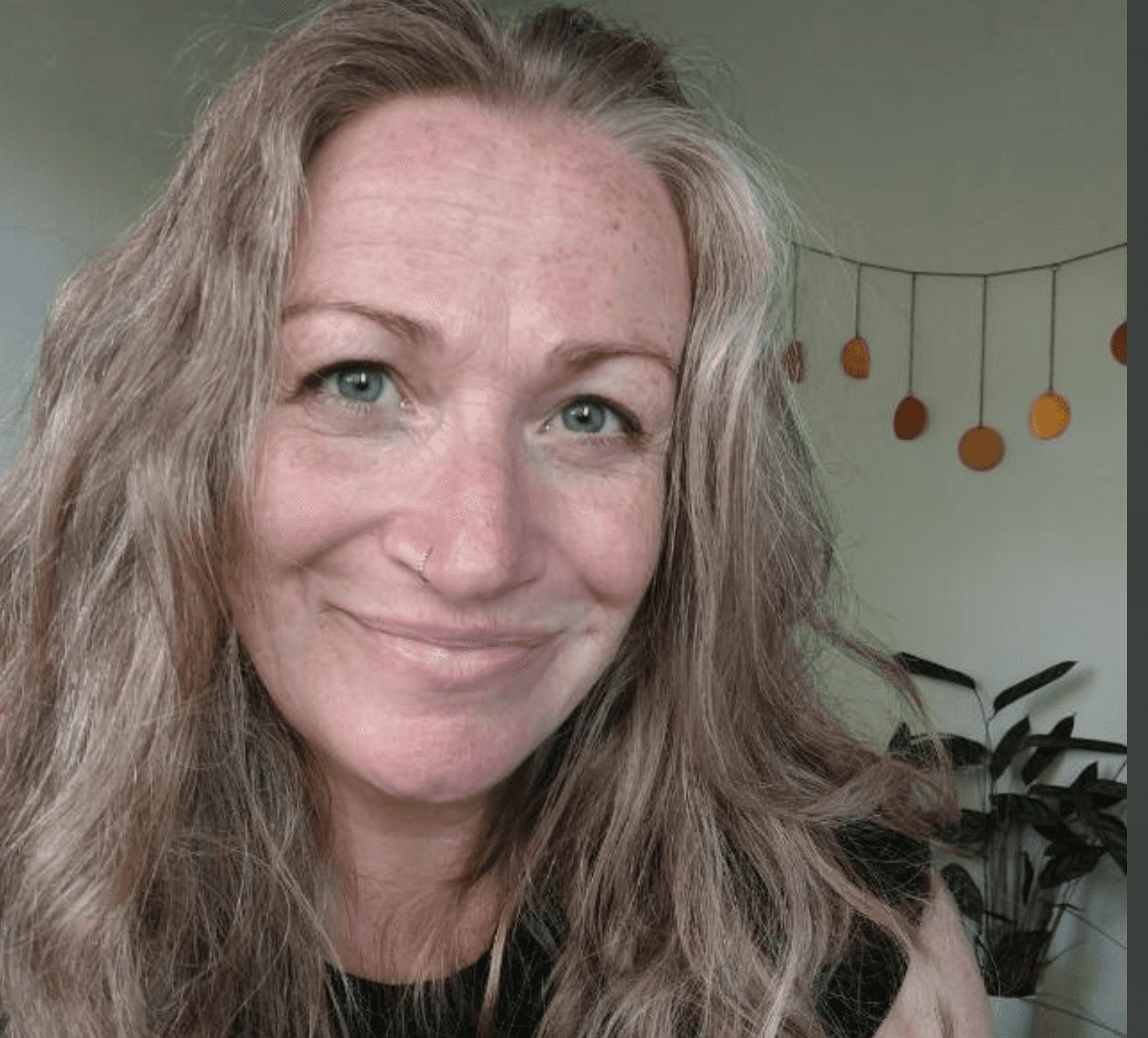
"I want to be financially independent and be able to afford to hire someone."
Sarah is the founder of a health and wellness platform, helping people build sustainable habits through coaching and digital resources. The business had steady clients and consistent revenue, built through her expertise and personal approach to wellbeing.
From the outside, it looked viable. People were getting results. The work was meaningful. The business was surviving.
Inside, Sarah was doing everything, losing direection and very reactive to where she was spending her time. And there was never any ease.
What life actually felt like
The business was making money.
Not a lot, but enough. Enough to pay herself something. Enough to keep going. Enough to believe it was working.
But there was never any ease.
Money came in and went straight back out. There was no buffer. No sense of security. No moment where hiring support felt safe. Every month felt like a reset.
Sarah did everything herself. Delivery. Admin. Client management. Planning. The business depended entirely on her time and energy. She told herself that once revenue increased, everything would be possible.
That once she earned more, she could finally hire help and buy herself a little more choice in her life.
But the gap never closed.
"The business depended entirely on her time and energy. She told herself that once revenue increased, everything would be possible."
The pause
Instead of asking whether she had enough money, Sarah stopped to look at her relationship with it.
How money made her feel.
How it influenced her decisions.
How it quietly kept her stuck.
From there, she could finally face reality without judgement.
Not just income, but the full picture. What the business truly earned. What it actually cost to run. What depended on her time. And what she wanted the business to support in her life.
She asked a different question.
What would need to be true for money to support my independence, not control my choices?
That pause mattered. Because until the relationship with money shifts, reality is too uncomfortable to face clearly.
The shift we made together
Once Sarah named and defined her relationship with money and success, something important shifted. She could see a financial future she wanted to move towards. And for the first time, she was ready to face the numbers instead of avoiding them.
From that steadier place, we moved into financial reality. Not to judge it, but to understand it.
Together, we looked clearly at where the business actually stood. What it earned. What it cost to run. Where value was being created. And where complexity and effort were quietly draining it.
This became her true starting point.
From there, we built a financial story forward. Not based on hope or pressure, but on intention.
We translated her vision for independence into value units. What the business needed to generate. What it needed to support. And what would need to change for hiring to become possible.
For the first time, money stopped being something to react to.
It became something she could plan with.
Sarah learned how to connect purpose, value, and financial choices. How to budget in a way that reflected what truly mattered, not just what felt urgent. And how to use financial clarity as a tool for decision making rather than a source of stress.
She did not just leave with a plan.
She had a financial story she believed in. And the mindset and skills to walk forward with confidence, step by step.
What changed
Sarah did not suddenly make more money.
What changed was her relationship with it and, as a result, the way the business was led financially.
Decisions were no longer driven by fear or short term balances. They were grounded in a clear understanding of what the business could support and what it needed to grow in a sustainable way.
Money stopped feeling tight and unpredictable because it was no longer vague. Sarah could see where value was being created, where effort was leaking, and what needed to change before hiring made sense.
With a planned financial story in place, hiring stopped feeling risky. It became a considered step, taken at the right moment, with a clear understanding of what it would unlock.
Financial independence no longer felt like a distant goal. It became a visible path, built through deliberate choices rather than constant effort.
Where she is now
Sarah has clarity where there used to be anxiety.
She understands her numbers, not as something to fear or constantly monitor, but as information she can use to lead the business forward. She knows what the business needs to generate, what it can sustain, and what choices will move her closer to the independence she wants.
Hiring is no longer a question of “can I risk it?” but “is this the right next step?”
And when the timing is right, she knows how to plan for it.
The business no longer depends entirely on her time to function. She has space to think, to lead, and to make decisions from intention rather than pressure.
Money is no longer in control.
It is part of the strategy.
Sarah’s question was not really about affording to hire someone.
It was about whether she could trust herself and the business enough to face financial reality, define what success meant to her, and plan toward it with confidence instead of fear.
Once that relationship changed, everything else could follow.